
Building independence in children has become an increasingly important topic for parents, particularly as family routines, technology, and schools move towards a more hands-off approach. After years of highly involved parenting, many families are now trying to step back a little. The aim isn’t to care less, but to raise children who can think for themselves, manage everyday responsibilities, and develop confidence that lasts.
Children need a certain amount of freedom not only to learn responsibility, but also to feel comfortable making choices and dealing with the outcomes. When children aren’t given space to try things for themselves — and occasionally get them wrong — they can become overly reliant on adults for reassurance, motivation, and solutions. Over time, that dependence can hold them back at school, in friendships, and later in working life.
Encouraging independence doesn’t mean leaving children to fend for themselves. It means staying supportive, setting clear expectations, and gradually trusting children with more responsibility as they grow.
What Independence Looks Like at Different Ages
Independence changes as children grow. Noticing these shifts makes it easier to offer the right kind of support at the right time.
Early Years (Under 5)
At this stage, independence is built through small, everyday experiences: choosing clothes, feeding themselves, helping tidy toys, or attempting to put on shoes and coats.
Offering limited choices can be helpful in some situations. Asking, “Would you like the blue shirt or the red one?” gives a child a sense of control without overwhelming them. This works best when a choice genuinely exists and the adult is happy with either outcome.
Just as important is helping children learn that not every situation offers a choice. At times, adults need to decide and children need to follow, especially in group settings like school. Experiencing both helps children feel confident and secure.
Primary School Age (5–10)
Primary-age children can take on more structured routines, such as packing school bags, managing homework time, and completing simple chores. Allowing children to organise their own homework or make decisions about lunches and after-school tasks helps them see the connection between effort and outcome. Responsibility starts to feel meaningful rather than imposed.
Tweens (10–13)
Tweens often want more privacy and freedom, while still needing guidance. Walking to school with friends, cycling independently, or managing their own schedules are common steps at this age. Clear safety boundaries remain important, but independence works best when freedoms are introduced gradually and reviewed together.
Teenagers (14+)
Teenagers are ready for bigger decisions — from coursework planning to managing social time and curfews. At this stage, shared expectations matter more than close supervision. When boundaries are agreed together and adults step back from day-to-day management, teenagers gain confidence in handling real responsibility.
The “Do Less, Let Them Do More” Approach
Many parents were raised to believe that good parenting meant stepping in quickly and often. In reality, children build confidence by doing things themselves — even when it’s slower or messier.
At home, this might mean letting children make their own packed lunch or manage morning routines. At school, it looks like giving students time to attempt problems independently before offering help. When adults solve problems too quickly, children miss valuable learning moments.
Mistakes are part of the process. Each small responsibility — and each misstep — helps children feel capable rather than dependent.
Practical Ways to Encourage Independence
Matching responsibilities to a child’s stage of development makes independence feel achievable rather than stressful.
Morning routines
Young children can choose clothes. Primary-age children manage dressing and hygiene. Older children and teens gradually take charge of alarms, breakfasts, and timekeeping.
Packing school bags
Younger children benefit from visual checklists. Tweens begin checking timetables independently. Teenagers are responsible for supplies, sports kit, and deadlines without reminders.
Homework habits
Parents can provide a consistent time and quiet space, while allowing children increasing responsibility for planning their work. Missed assignments become learning opportunities, not reasons to take over.
Household chores
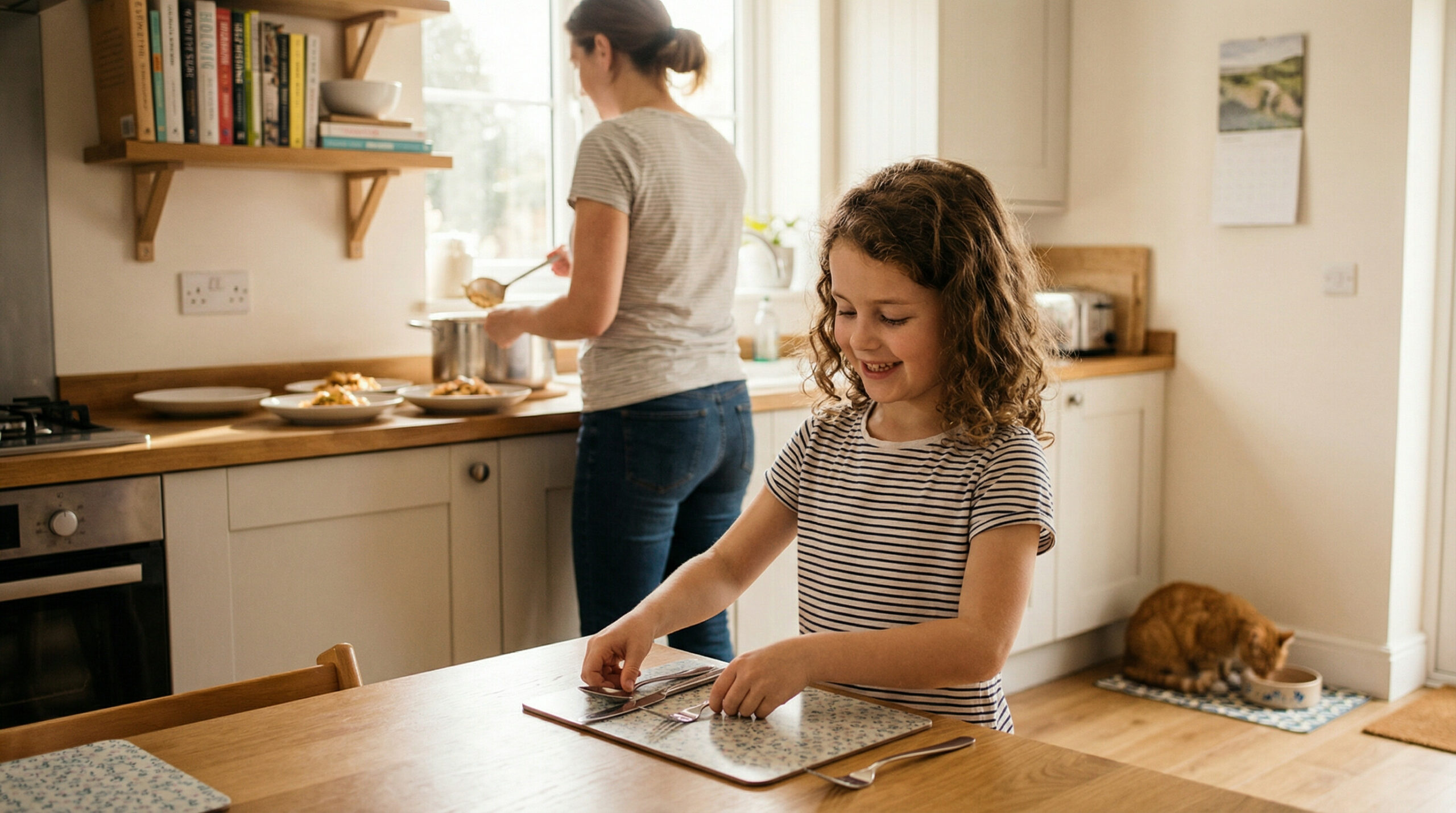
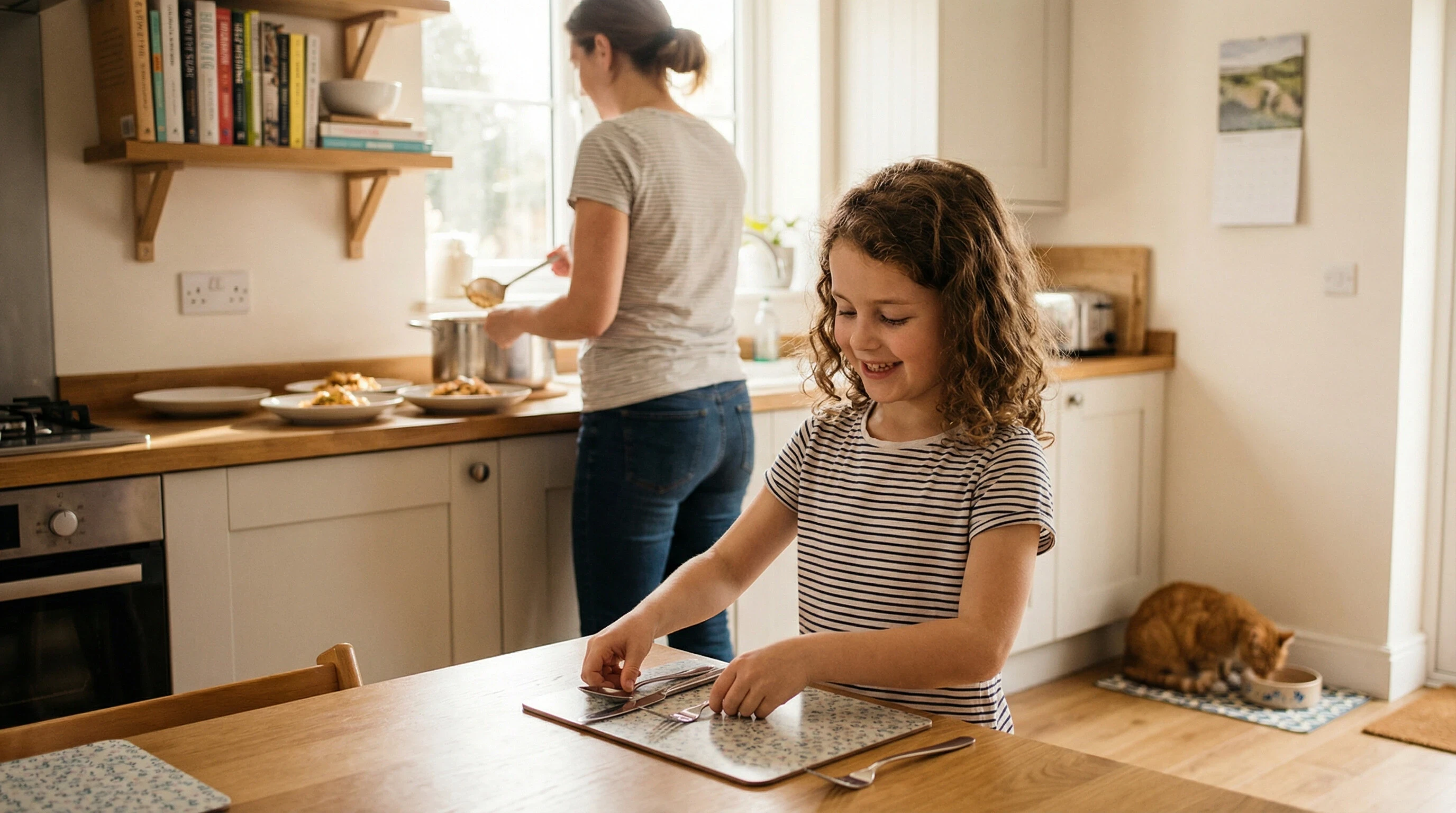
Even toddlers can help set the table. Primary-age children manage small jobs like feeding pets. Older children take on cooking, laundry, or regular household tasks, reinforcing their role within the family.
These routines don’t just build skills — they help children feel that they genuinely contribute.
Simple Phrases That Encourage Independence
Knowing what to say makes stepping back easier. These phrases offer support without taking control:
- “You try first — I’ll help if you need it.”
- “What’s your plan?”
- “Show me how you’d do it.”
- “Who else could you ask about that?”
They gently shift the focus from doing things for children to trusting them to try.
Letting Mistakes Teach
A hands-off approach also means allowing mistakes. This is often the hardest part for parents, but one of the most valuable for children. Repeated verbal warnings are easily ignored; natural consequences tend to teach more.
Natural consequences
Forgetting homework and receiving a consequence at school, or missing out because of poor organisation, often teaches more than repeated reminders at home.
Problem-solving together
Asking, “What do you think would help next time?” keeps children involved in finding solutions rather than waiting to be rescued.
Staying calm
A calm response shows children that mistakes aren’t failures — they’re part of learning. Over time, this builds resilience and confidence.
Raising Children Who Can Stand on Their Own
Encouraging independence means offering steady support while trusting in what children can do. Each small step towards self-reliance prepares them for bigger challenges ahead.
The reward isn’t just a smoother household. It’s raising children who trust themselves, feel capable, and know they can handle what comes next — with a parent–child relationship built on trust, respect, and confidence that lasts well beyond childhood.
Such a thoughtful and practical article. I really appreciate how you explain independence in small, everyday steps – it makes the whole idea feel much more achievable. The reminder that confidence grows through trying, not perfection, really resonated with me.
I’m really glad you found the article helpful. Comments like this do make the writing feel worthwhile. And yes, you’ve got it exactly right: confidence grows through trying.
It’s true for adults too, really. Knowing the theory of how to stay afloat doesn’t help much if you suddenly find yourself in the deep end of a pool. What matters is the gradual practice, building confidence in water stroke by stroke.
Such a good analogy – it really is like learning to swim. The theory helps, but it’s the small, repeated attempts that actually build confidence. I’m finding that with independence too: the more chances they get to try, the more capable they become, and the more trust we build along the way.
Thank you for your comment, Ana. I am glad you like the analogy and that you are giving Andrew lots of chances to have a go at different things and enjoy seeing him become a capable little boy.