
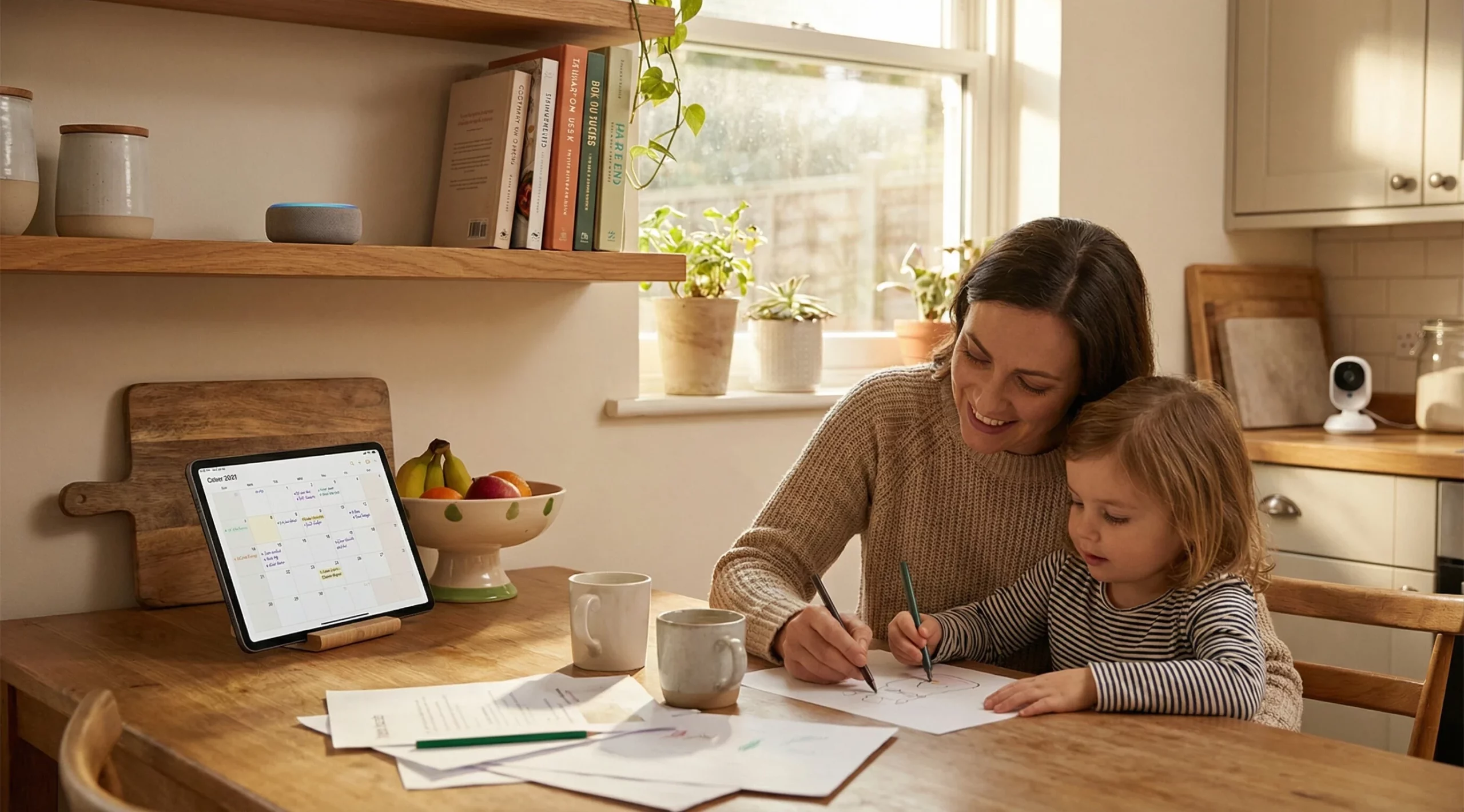
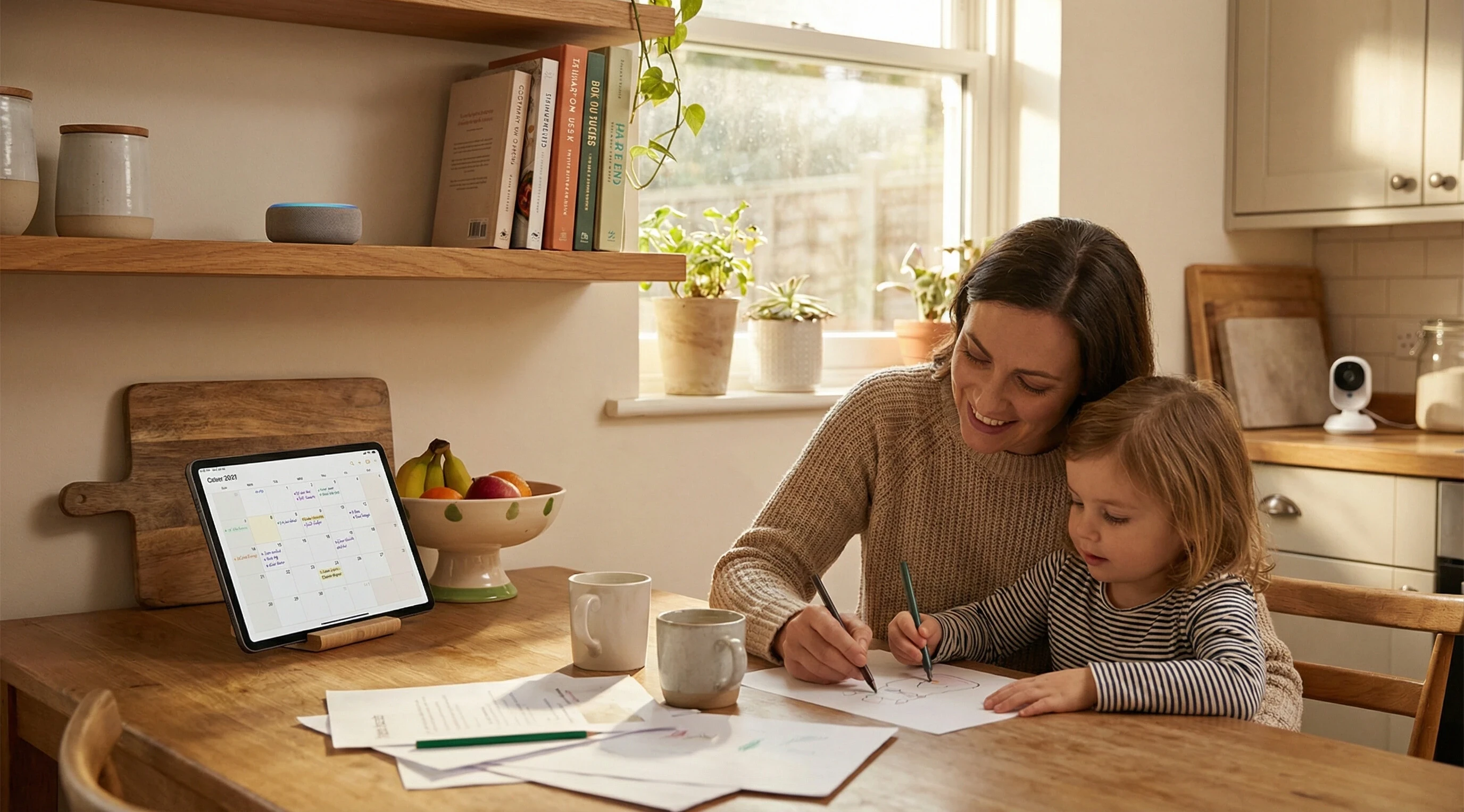
Ever bought a gadget that ended up unused? You are not alone.
Raising children has always taken effort, but smart technology now plays a growing role in how families manage daily life. By 2026, there’s no shortage of gadgets and apps promising to make parenting easier. The challenge is knowing which tools genuinely help and which end up forgotten in a drawer.
Families usually turn to tech for practical reasons. Modern schedules are busy, many parents juggle work and childcare, and routines can be hard to keep consistent. When chosen carefully, technology can help with organisation, reassurance, learning support, and everyday structure. The key areas parents tend to focus on are safety, homework, time management, and maintaining routines.
The Tools That Actually Help
Some types of smart technology consistently prove useful in real family settings.
Smart Baby Monitors
Modern baby monitors now offer video streaming, night vision, and features such as cry detection. Many connect directly to a phone, allowing parents to check in from another room or while away. Models with temperature and humidity sensors can provide extra reassurance, especially with very young babies.
That said, privacy matters. It’s important to choose well-reviewed products with strong security features and to use robust passwords. The NHS offers guidance on keeping connected baby devices secure online.
Family Organisation Apps
Shared digital calendars and family‑organisation apps help keep everyone on the same page. Appointments, school events, chores, and meal plans become easier to track, reducing misunderstandings and forgotten commitments. Many tools also include simple reward or task‑tracking features for younger children, which can support routines without turning them into power struggles. For many families, digital planners have replaced paper notes that were easily missed or lost.
Safety Devices
Wearable trackers and location-sharing tools can help parents feel more at ease as children gain independence. GPS watches or clip-on trackers allow location checks without giving children full smartphone access.
Smart Speakers for Routines
Voice-activated assistants such as Amazon Alexa or Google Nest can support daily routines in surprisingly practical ways. Timers, reminders, music cues, and spoken prompts can reduce repeated verbal reminders and help transitions run more smoothly.
Some families find that using sounds or short tunes as cues for getting dressed, eating breakfast, or leaving the house works better than constant verbal prompting, especially with younger children.
What’s Overhyped (Save Your Money)
Not all “smart” parenting tech earns its keep.
Gadgets That Create More Work
Over-engineered feeding devices, app-linked nappy bins, or overly complex baby products often add steps to already simple routines. If something needs frequent charging, updating, or troubleshooting just to do a basic job, it’s unlikely to be used for long. Simple, reliable tools often last the longest.
Tech That Replaces Real Connection
Some products promise to entertain or educate children for long periods without adult involvement. While screens and robotic toys can offer short breaks, heavy or long-term reliance is often linked to poorer sleep and more behavioural challenges. Technology works best when it supports interaction rather than replacing it.
Subscription Traps
Many parenting and education apps now rely on monthly or annual subscriptions. After the free trial, some offer little beyond basic features. It’s worth checking billing cycles carefully and being realistic about whether the paid extras truly add value.
Using Tech Without Losing the Human Touch
Technology can support family life, but balance matters.
Setting Limits
Clear boundaries around screen use help prevent technology from dominating family time. Simple rules—such as device-free meals or regular offline periods—can make a noticeable difference. Occasional device-free days can also highlight how enjoyable non-digital activities can be.
Support, Not Substitution
Smart tools work best as assistants, not stand-ins. They can prompt routines or support learning, but discipline, encouragement, and emotional connection still come from people, not devices.
Modelling Healthy Habits
Children notice how adults use technology. When parents set limits for themselves and explain why devices are put away at certain times, it normalises balanced digital habits. Open conversations about screen use often lead to better cooperation and understanding.
Real-Life Ways Tech Can Help Day to Day
In many households, smart tools are most effective in everyday routines.
- Morning routines: Smart speakers can set alarms, play timed playlists, or read out preparation reminders.
- Homework time: Homework apps and filtered searches can support learning, especially when followed up with discussion.
- Bedtime: White noise machines, calming music routines, or automated blinds can support consistent sleep habits, particularly during lighter summer evenings.
- Chores: Digital task lists and reward trackers can encourage independence and reduce nagging, while reminders help with household organisation.
Future Trends to Watch
Looking ahead, several developments in parenting tech are worth keeping an eye on.
Smart Home Safety
Home automation is becoming more precise, with sensors able to distinguish between pets, people, and genuine risks. Connected smoke alarms, water-leak detectors, and stove shut-off systems are likely to become more common in family homes.
Digital Wellbeing Tools
More apps now focus on helping children understand and manage their own screen use. By offering real-time feedback, these tools aim to encourage self-regulation rather than constant parental enforcement.
Tech That Supports, Not Replaces
Smart parenting technology can ease daily pressures, but its value depends on thoughtful use. The most helpful tools are those that genuinely reduce stress, support routines, or improve safety without replacing real connection.
Reviews from other parents, clear priorities, and realistic expectations all help when deciding what’s worth buying. Used well, technology can support a calmer, safer home, but the most important investment remains quality time, with or without devices.