
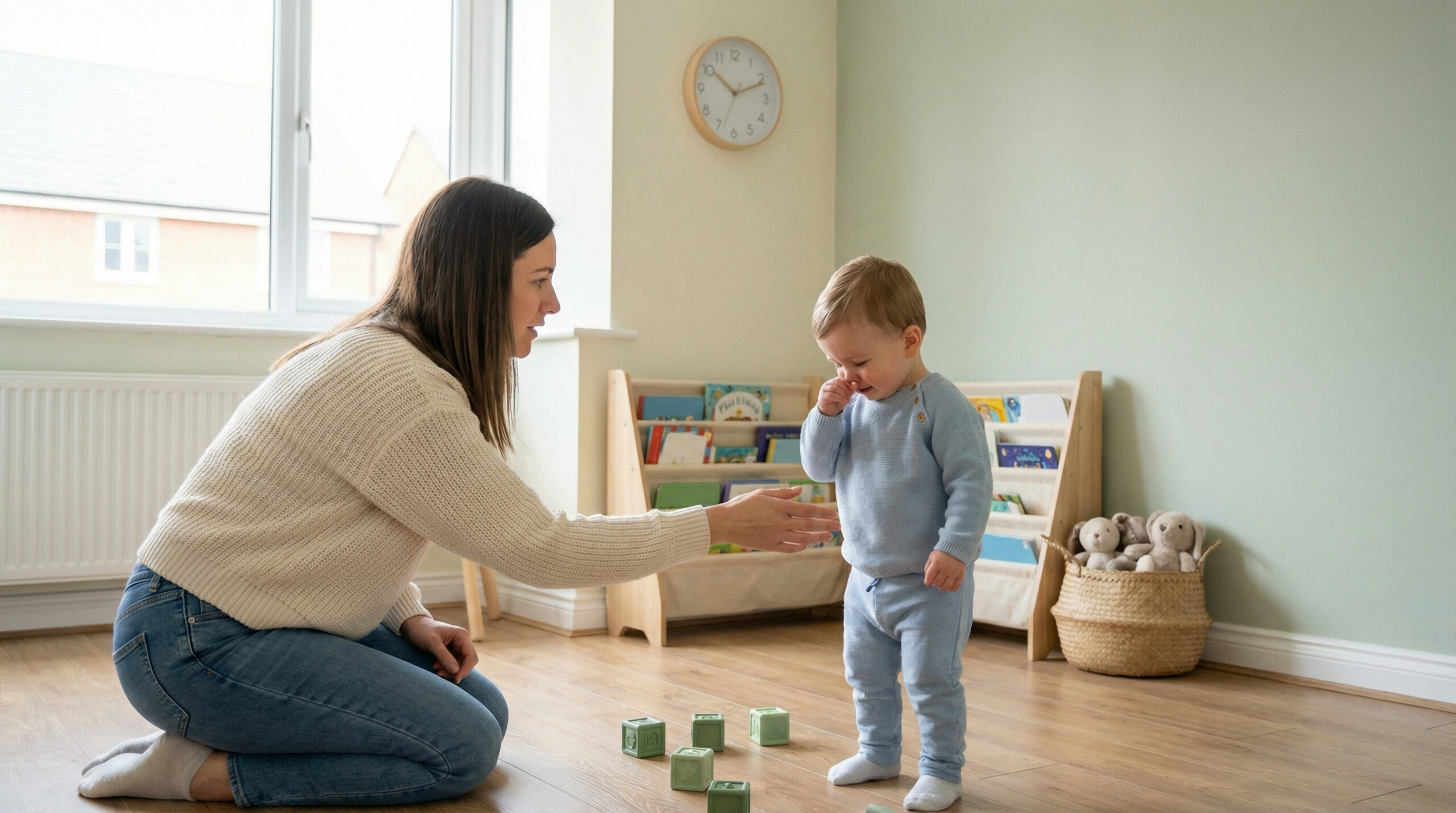
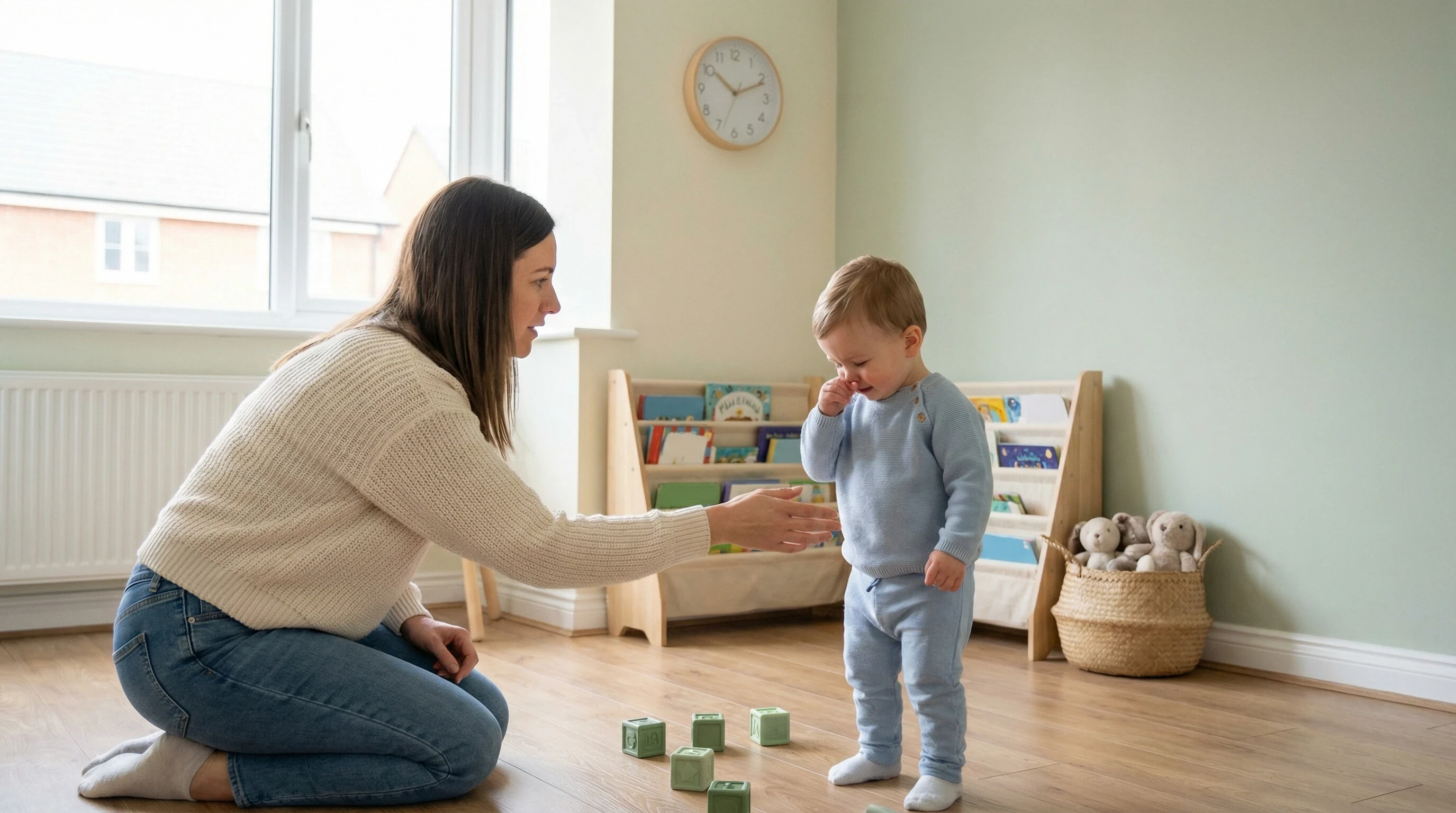
Parenting styles move in waves. Gentle parenting — at least in its modern form — focuses on connection, empathy and validating children’s feelings rather than punishments.
Over the past decade, gentle parenting became hugely popular among parents wanting to break away from shouting, punishments, and fear-based discipline. The promise was appealing: more connection, more empathy, and calmer homes.
Long before I encountered these ideas, I had read John Holt’s How Children Learn and How Children Fail, and with my first child I genuinely believed that if I just stayed calm and explained things clearly, I could be a perfect parent.
Then real life stepped in.
Recently, I’ve noticed more parents quietly stepping back from strictly gentle parenting — not because they don’t care about feelings, but because it can be exhausting and unsustainable. Especially once you add work, multiple children, limited support, or lack of sleep.
What I see instead is a more balanced approach: still kind, still respectful, but with clearer boundaries and more confidence in the adult role.
The Burnout Many Parents Don’t Talk About
At its best, gentle parenting encourages empathy and emotional awareness. At its worst, it can make parents feel they must perfectly manage everyone’s feelings, including their own.
The emotional labour is immense. Staying endlessly calm, choosing every word carefully, and coaching children through every upset can feel relentless. Some parents feel permanently “on duty,” worried that one sharp tone or firm decision might cause lasting harm.
There’s also the blurred line between being gentle and being permissive. Endless explanations can leave children unsure where the boundary actually is. Rather than feeling safe, some become more anxious or push harder, sensing that the adult isn’t fully in charge.
What Parents Are Looking for Now
What I hear again and again isn’t a desire to return to harsh discipline — it’s a longing for clarity.
Parents want boundaries that are clear, consistent, and not endlessly negotiated. Children often feel safer when they know what to expect, even if they don’t like the rule in the moment.
Predictable routines — mealtimes, bedtime, mornings — reduce constant decision-making. Simple checklists can noticeably lower friction.
There’s also a shift in how emotional conversations are handled. Instead of long explanations, many parents now acknowledge feelings briefly and move on. A calm, “I know you want to keep playing, but it’s still bedtime,” is often more helpful than a lengthy discussion when everyone is tired.
Staying calm matters.
Staying in charge matters too.
A More Balanced, Real-Life Approach
What seems to work well is kind-but-firm parenting, where warmth and boundaries coexist. It sounds like:
“You’re upset that screen time is over. It’s still time to switch off.”
“I know you want a biscuit. It’s lunchtime, and lunch comes first.”
The boundary stays. The warmth stays too.
Many parents are also using natural consequences again. If a toy is thrown, it’s put away for a while. If homework isn’t done, the teacher follows up. This reduces power struggles and teaches cause and effect.
Encouraging age-appropriate independence plays a part as well. Packing their own bags or tidying toys — even imperfectly — builds confidence and eases pressure on parents.
What Teachers Are Seeing in Classrooms
This shift isn’t happening in isolation. Teachers often report that some children arrive at school with strong emotional vocabulary but low resilience — keen to negotiate every instruction or struggling with firm “no’s.”
When boundaries are calm and consistent at home and school, children usually settle faster and accept rules more easily.
Small Changes That Can Make a Difference
This doesn’t require a full overhaul. Try picking one wobbly boundary this week — bedtime, screen use, getting ready — and state it clearly. Then stick to it, even if there’s protest.
Simplify one stressful routine. Visual reminders and checklists can be surprisingly effective.
And model regulation yourself. Saying, “I’m feeling frustrated, so I’m going to take a few deep breaths,” teaches more than a lecture ever could.
Letting Go of Parenting Perfection
With my first child, I believed I could parent perfectly if I tried hard enough. By the time my second arrived, I realised perfection wasn’t just unrealistic — it wasn’t necessary.
Children don’t need flawless parents. They need adults who are steady, warm, and able to hold boundaries even on tired days.
The families I see coping best aren’t chasing the latest trend. They’re finding a rhythm that works for their child, their household, and their own capacity — and that balance, often imperfect and human, is often what makes a home feel safest.
If you’d like more on practical boundaries or emotional resilience, keep an eye here — I’ll keep sharing what I’m seeing in real homes and classrooms.
Such a brilliant and relatable read. I really appreciate how you’ve captured the reality so many parents are quietly experiencing – wanting to be gentle and connected, but also needing boundaries, clarity, and space to breathe. This balanced approach feels so much more sustainable and human. Thank you for putting this into words.
Thank you so much for this. Yes, trying to be the “perfect” parent can be exhausting, and often isn’t what children need either. I’m really glad the balance I was aiming for came across.
Thank you – that means a lot. I think many of us are slowly realising that children don’t need perfection, just presence and honesty. It’s reassuring to see this more balanced, human approach being talked about so openly.
Thank you, Ana. I am glad you agree and are realising that you don’t need to be perfect to be a good parent. It helps enjoy your child without feeling stressed all the time.